B2C Smart Energy · Enterprise integration · Habit-forming UX
WindTre Luce & Gas: designing a smart energy experience inside an enterprise app
From utility bill to daily habit: pivoting from gamification to goal-setting in a constrained enterprise environment.
OVERVIEW
OUTCOME
Stakeholder-approved prototype
Progressed to internal testing within WindTre
Strategic validation
Confirmed the viability of a goal-based smart energy model as a long-term loyalty lever
Organizational impact
Aligned Product, UX, and Engineering around a non-gamified engagement strategy
SCOPE AND ROLE
Role
Product Designer. Led the project end-to-end, from strategy and technical evaluation to interactive prototype.
Product
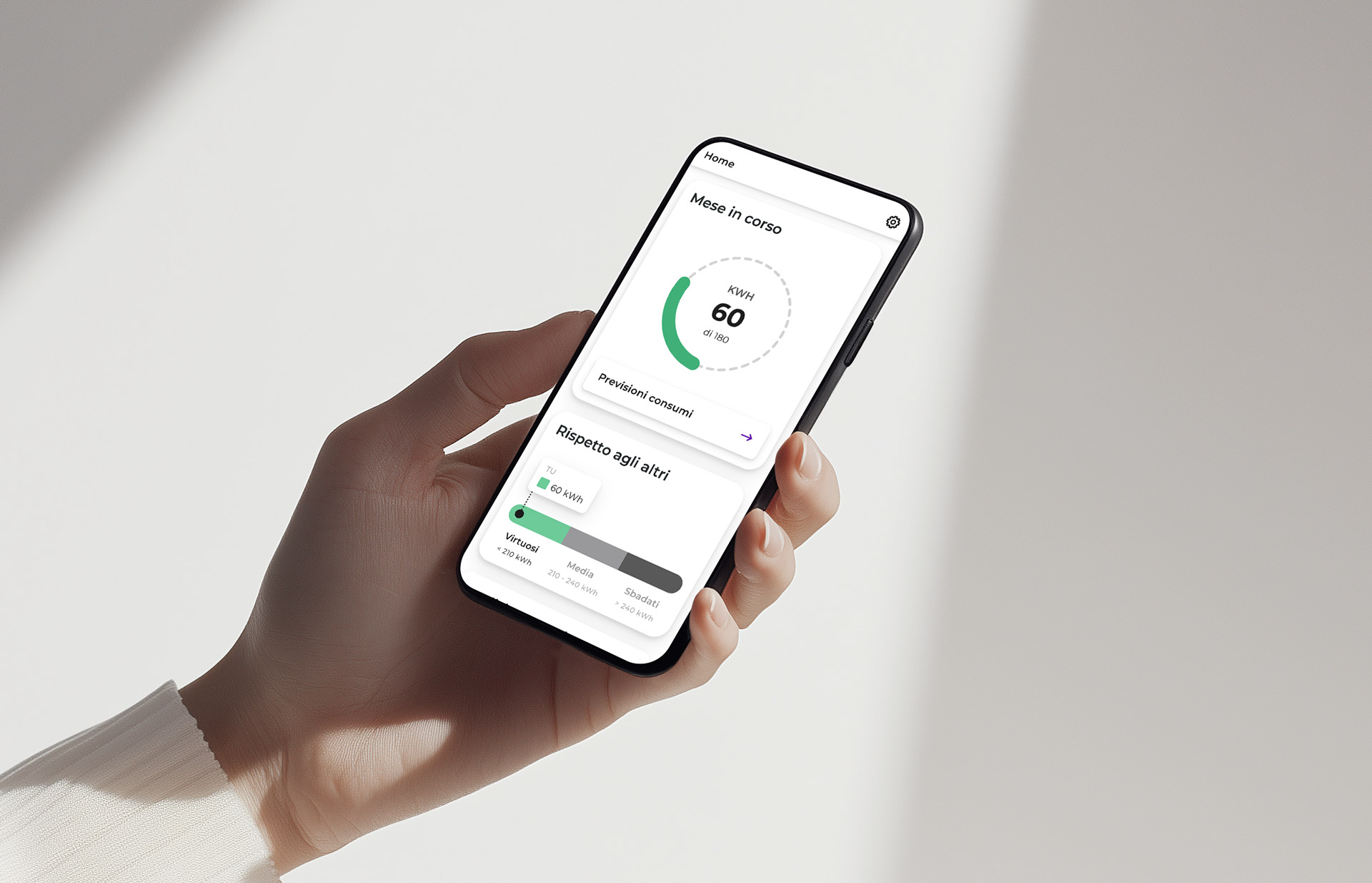
B2C Smart energy experience integrated into the existing WindTre Luce & Gas app, focused on ongoing energy awareness and engagement.
Contributors
1 Product Manager, 1 Product Designer (me), 2 Software Engineers, WindTre UX and Product
Key skills
Product Strategy, Enterprise UX, Behavioral Design, Hardware Integration, Technical Feasibility
Year
2024
Timeline
12 months
CHALLENGE
THE CONTEXT
WindTre’s Luce & Gas app was limited to billing and customer support, offering little ongoing value for energy management and failing to drive repeat usage.
This limitation was particularly critical in the Italian mobile market, one of the most competitive in Europe. Aggressive pricing has driven customer churn to extreme levels, with users constantly switching providers in search of marginal savings. As a result, Italy’s B2C mobile ARPU remains among the lowest in Europe.
In this context, WindTre’s strategic challenge was not connectivity, but loyalty. Smart energy represented an opportunity to extend value beyond the network and create reasons for users to stay.
To justify smart energy as a long-term investment, the app had to evolve from a passive utility into a habit-forming experience that users would return to regularly.

Italian B2C mobile market dynamics.
DESIGN CHALLENGES
01. Engagement
Transform a billing-first utility into a habit-forming experience that users trust and return to.
02. Onboarding
Design a reliable pairing flow for a physical energy device, a known activation and churn driver in the category.
03. Enterprise validation
Demonstrate value and secure stakeholder buy-in without direct access to end users.
STRATEGY
01. MARKET OBSERVATION
A trend worth questioning
During competitive analysis, we observed that several smart energy apps experimented with gamification mechanics such as points, levels, and challenges.
These patterns were present, but not dominant across the market. Early concepts explored whether similar mechanics could increase engagement.
02. TECHNOLOGY & UX ALIGNMENT
Solving the hardware friction
I worked with engineering to evaluate two market-standard hardware approaches: clamp-based sensors and direct smart-meter integration (Chain2).
Without direct user access, I ran a sentiment analysis on 200+ competitor reviews and community discussions.
Clamp-based solutions introduced complexity before users even accessed the app. Choosing Chain2 enabled a plug-and-play onboarding, reducing setup anxiety and making a simple activation flow feasible.
This technical decision directly enabled the onboarding experience that followed.
03. STRATEGIC DECISION
Reducing complexity to protect core value
Through internal workshops, we challenged the assumption that higher engagement required more features. We identified a risk: in a utility context, additional layers of interaction could distract from the primary user need, maintaining control over energy costs.
We consciously chose to remove secondary engagement mechanics, accepting a narrower feature set in favor of a clearer core value.
Instead of layering points and challenges, we focused the entire engagement model around a single Energy Target. The design shifted from stimulation to reassurance, prioritizing clarity, predictability, and feedback.
04. DESIGN PRINCIPLE
Clarity creates habit
In utility products, habit formation emerges from confidence and control.
Reducing cognitive load enabled users to engage regularly without effort or anxiety.
SOLUTION
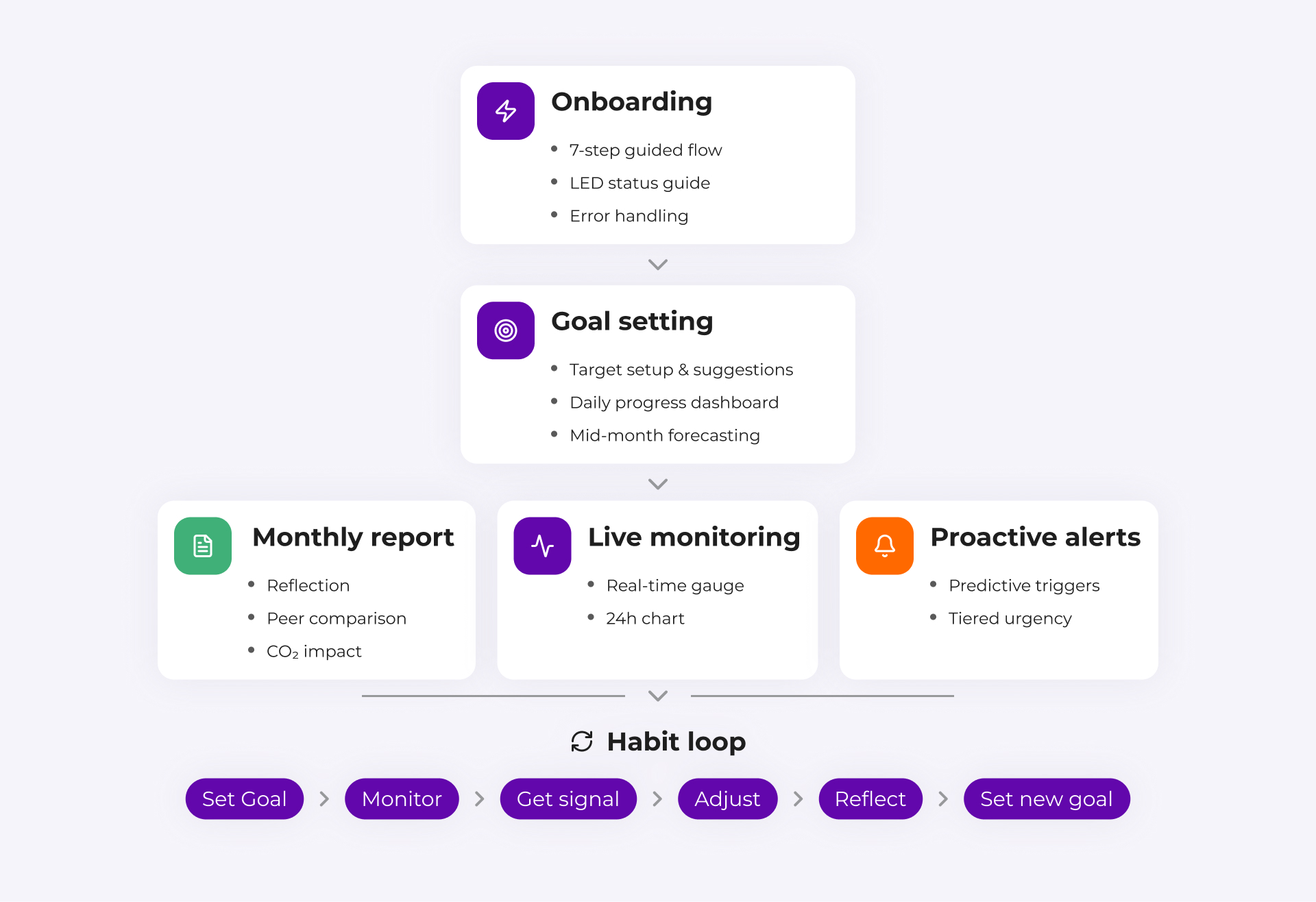
The solution was designed as a single, connected behavior loop:
from onboarding, to goal-setting, to continuous feedback, to monthly reflection.
Each component reinforces the Energy Target, keeping it present without demanding attention.
01. ONBOARDING AND PAIRING
Designing trust in a hardware setup
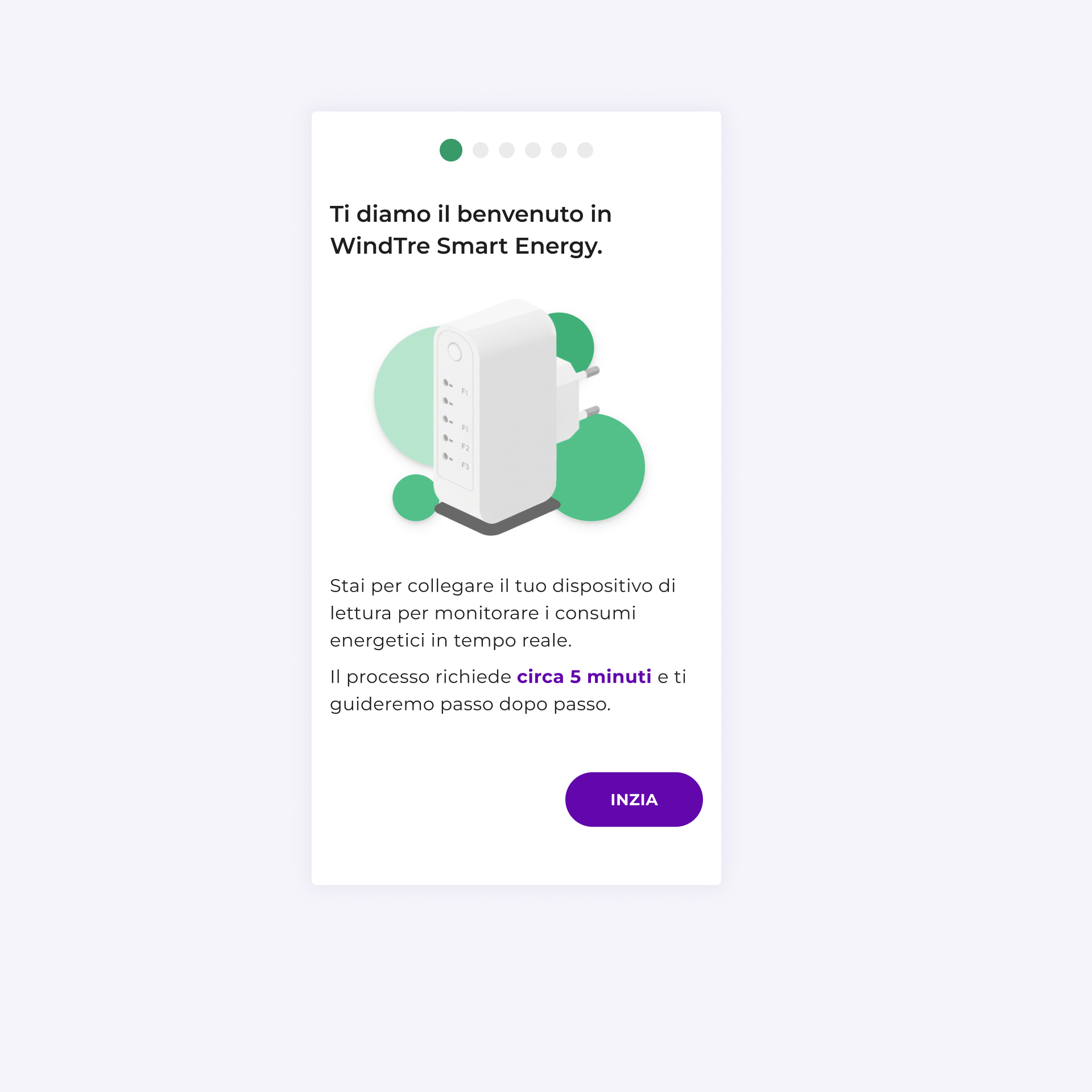
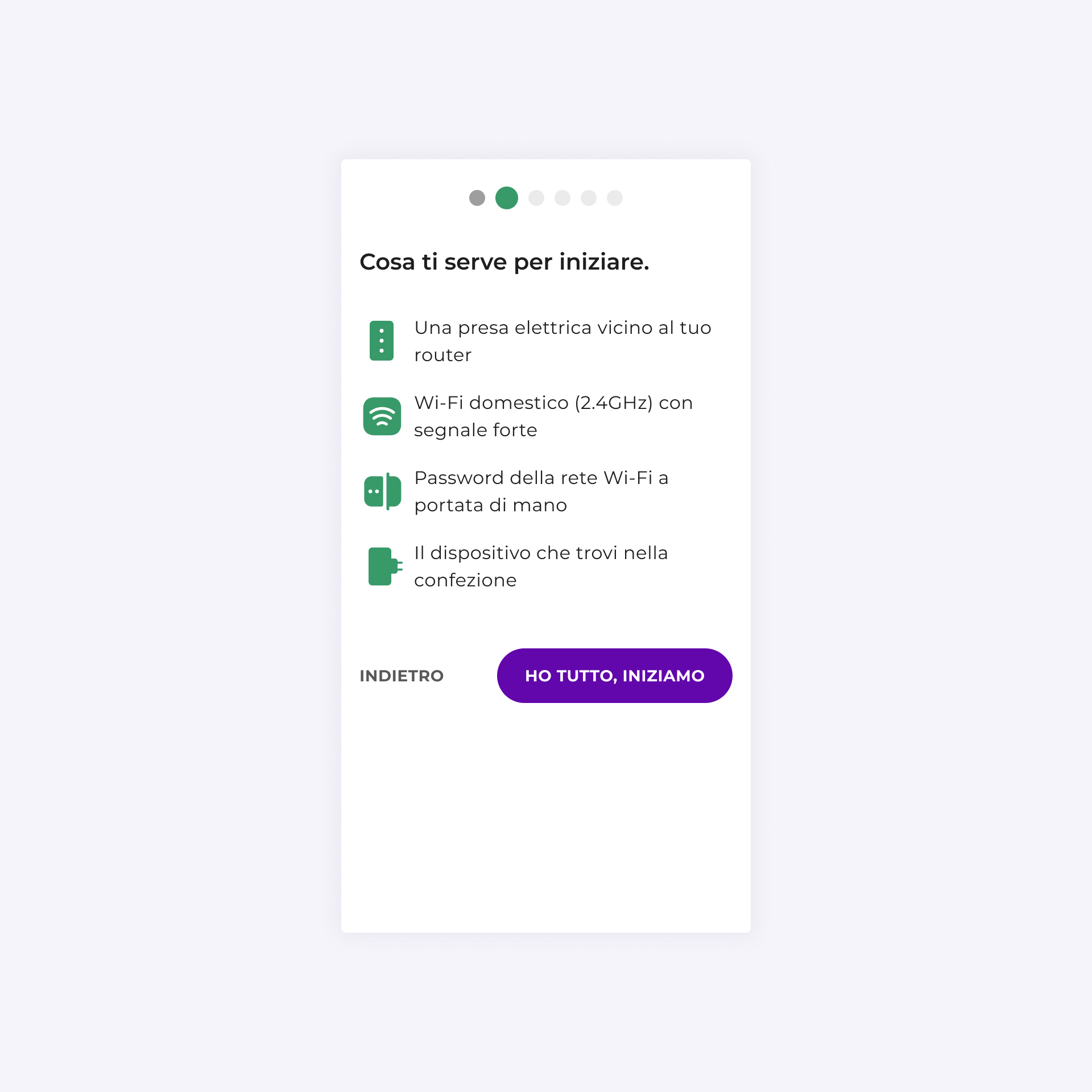
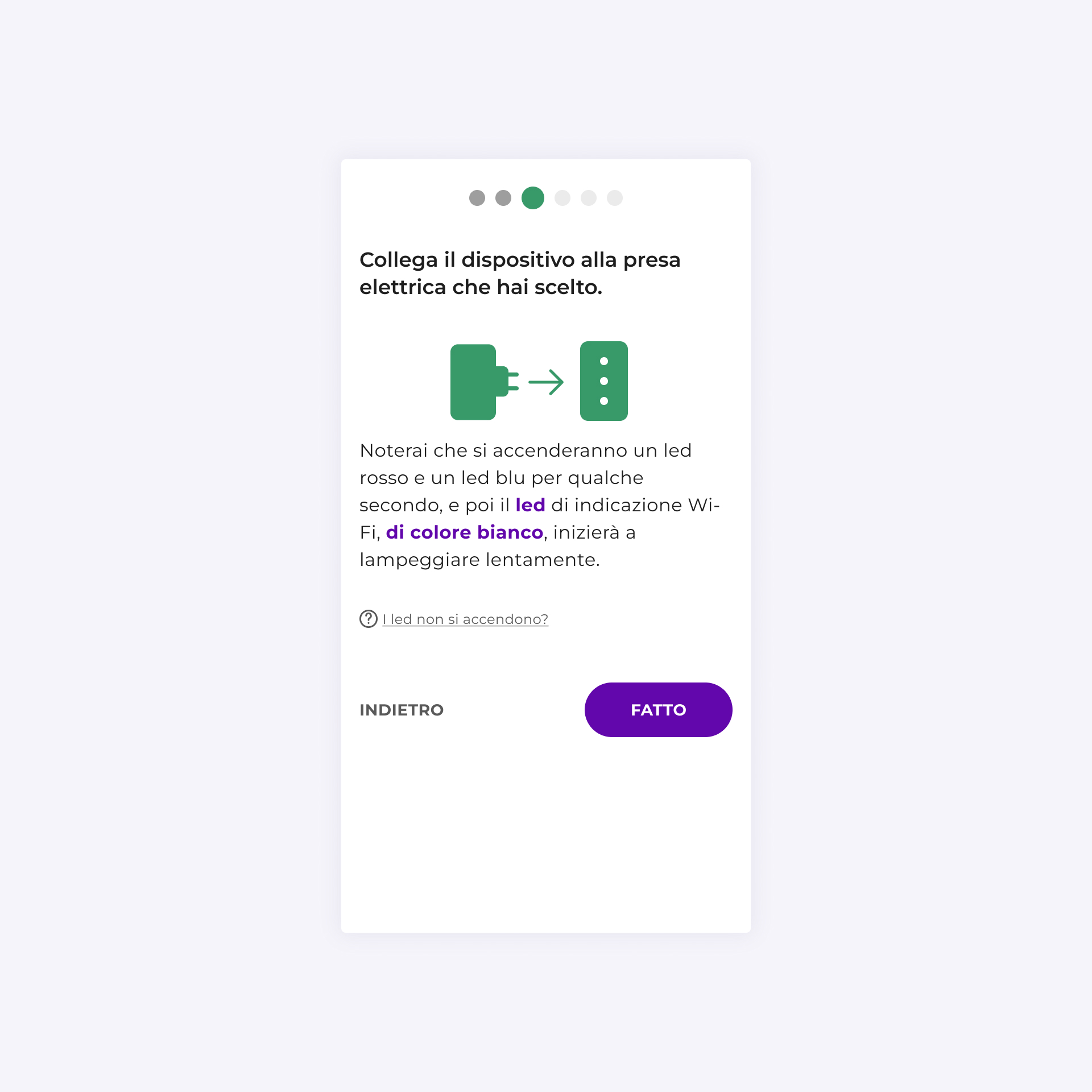
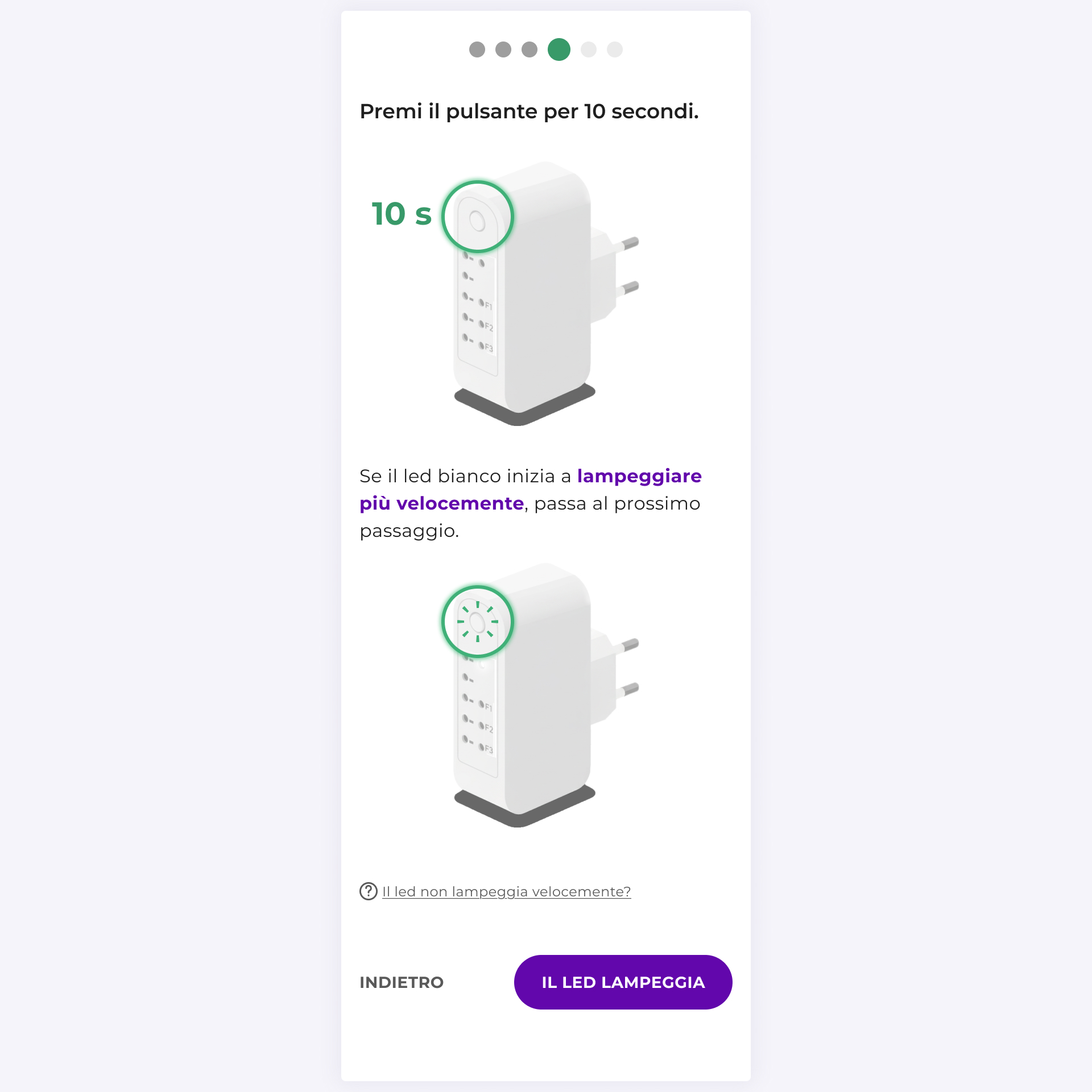
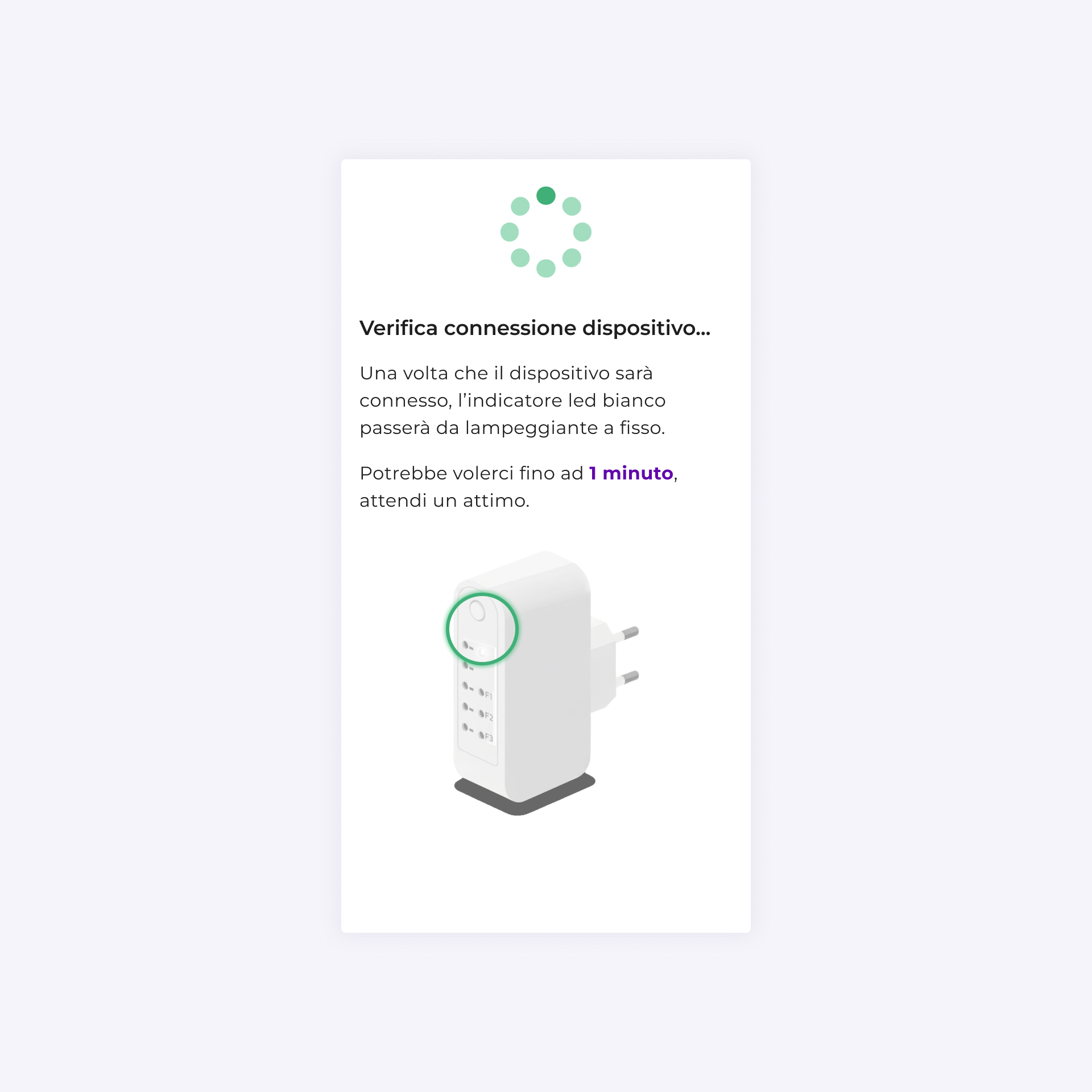
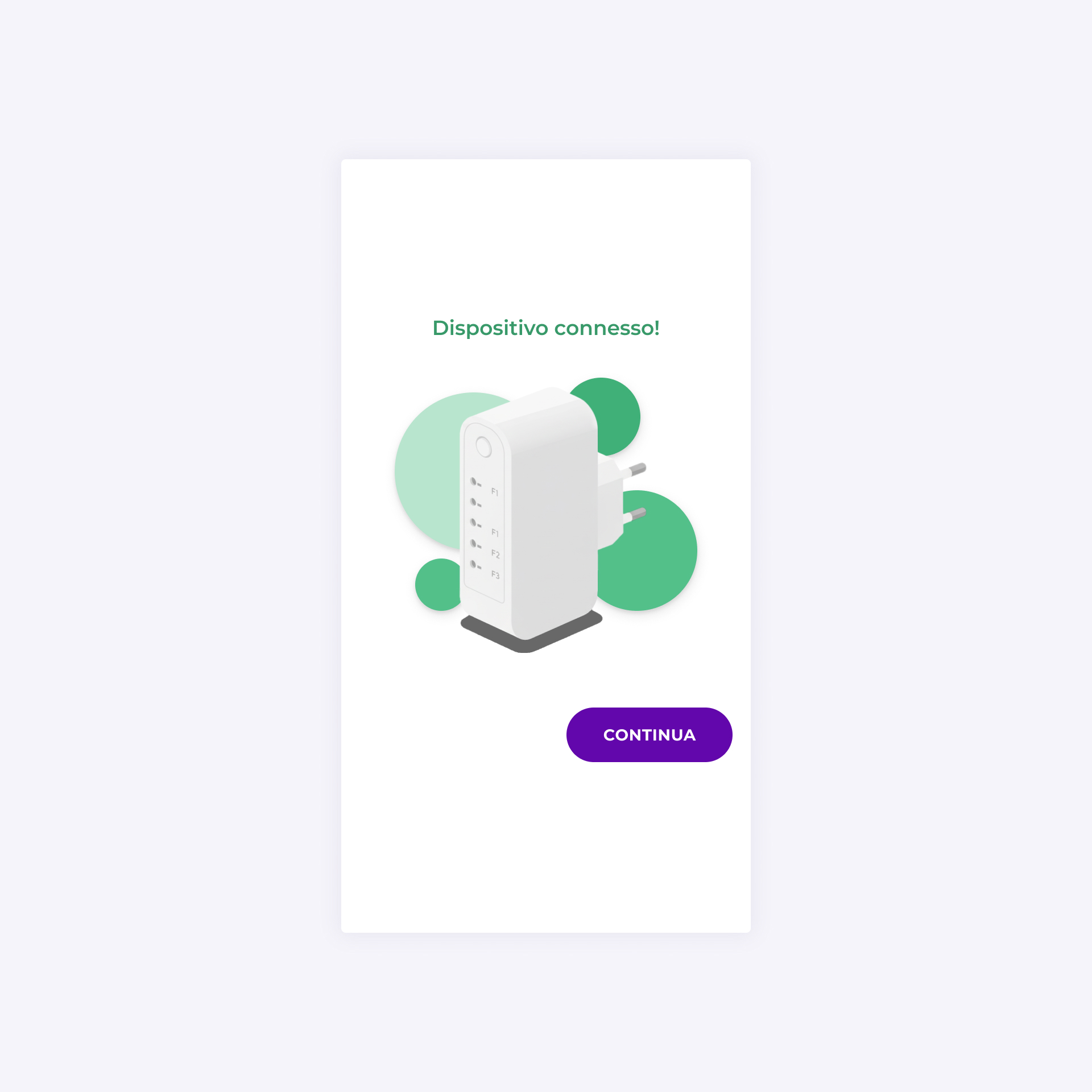
Acknowledging that hardware setup is often a point of friction, I designed a resilient flow that anticipates technical hurdles.
Instead of generic error messages, the system provides proactive guidance, from LED troubleshooting to real-time verification, turning potential dead-ends into manageable steps.
02. GOAL SETTING
Anchoring the experience
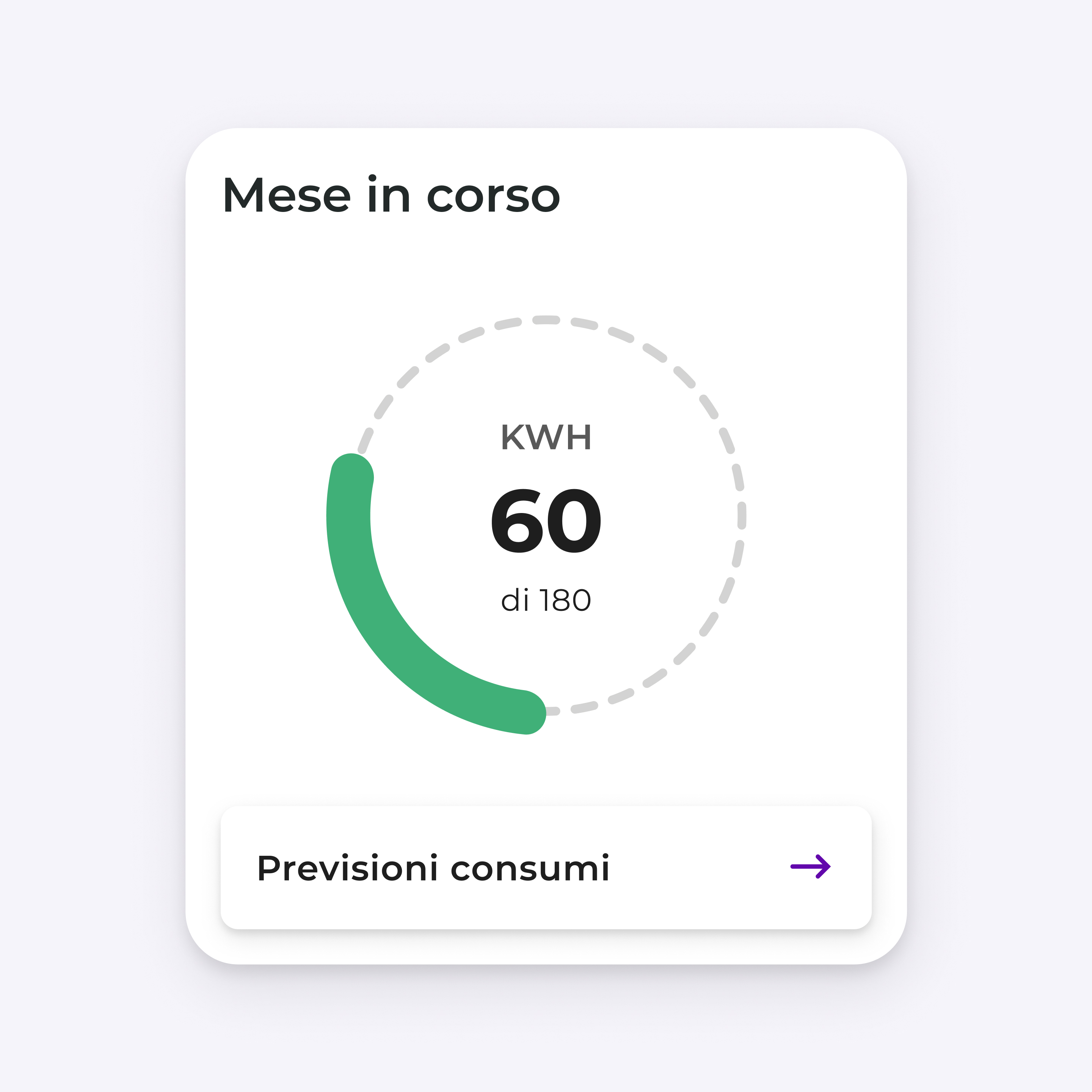
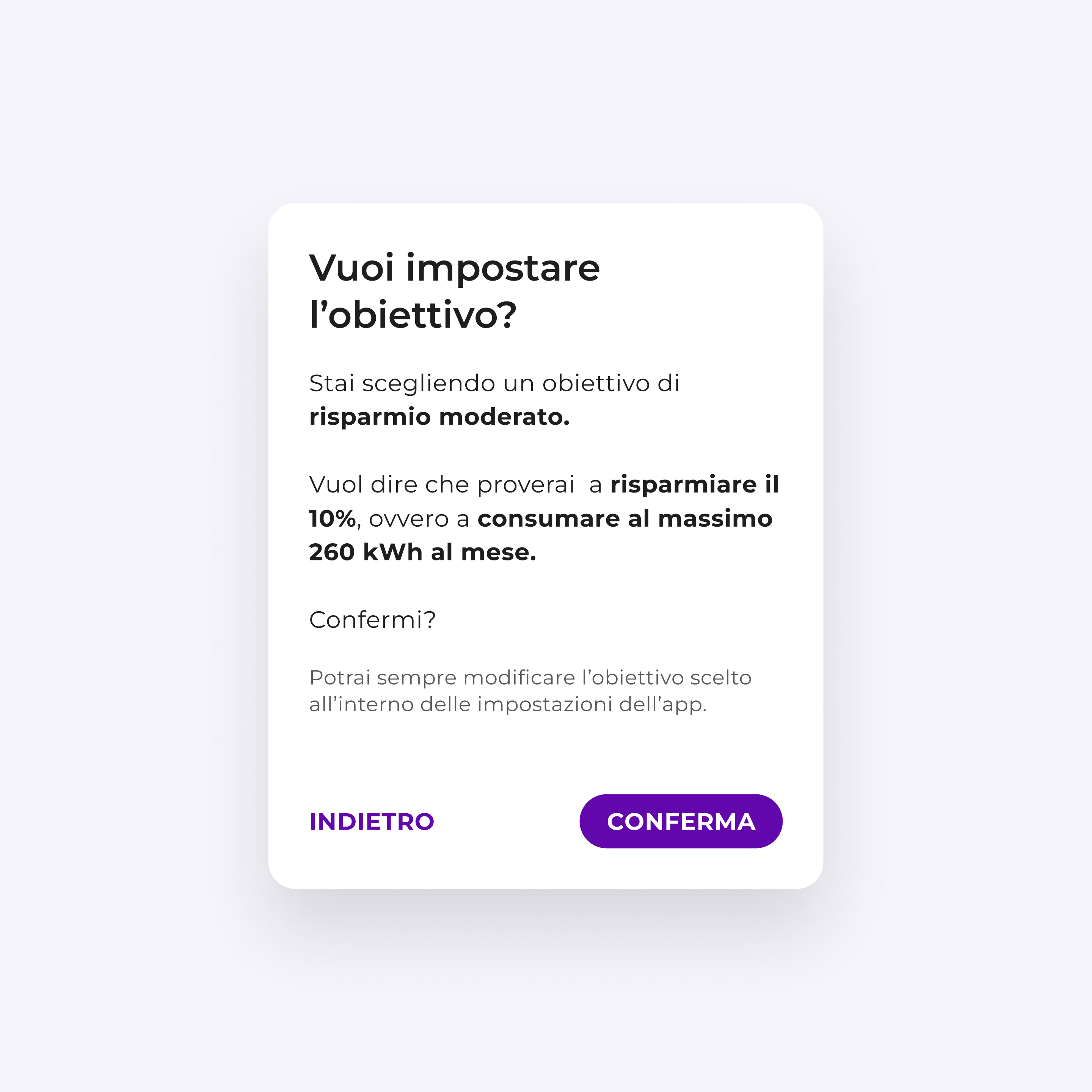
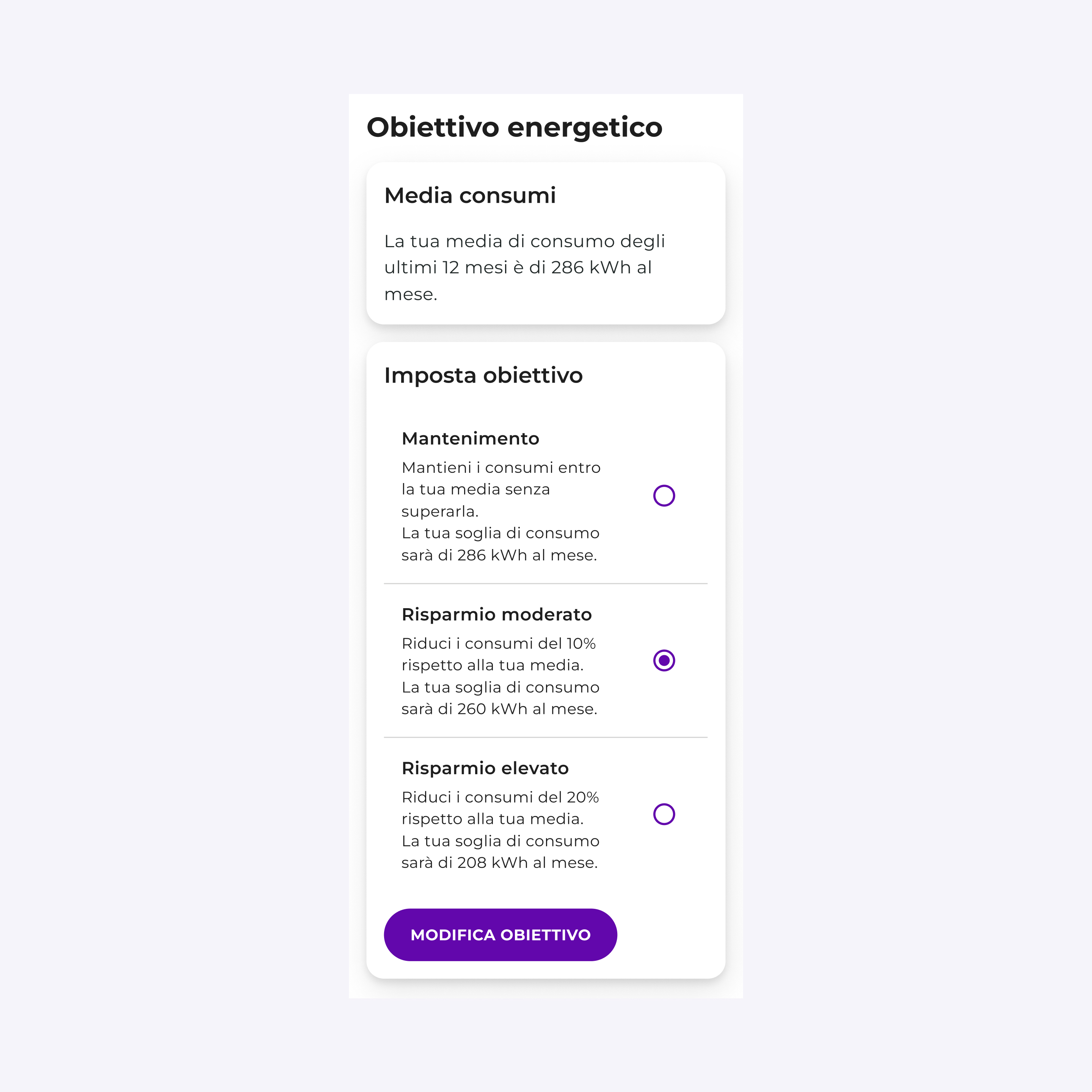
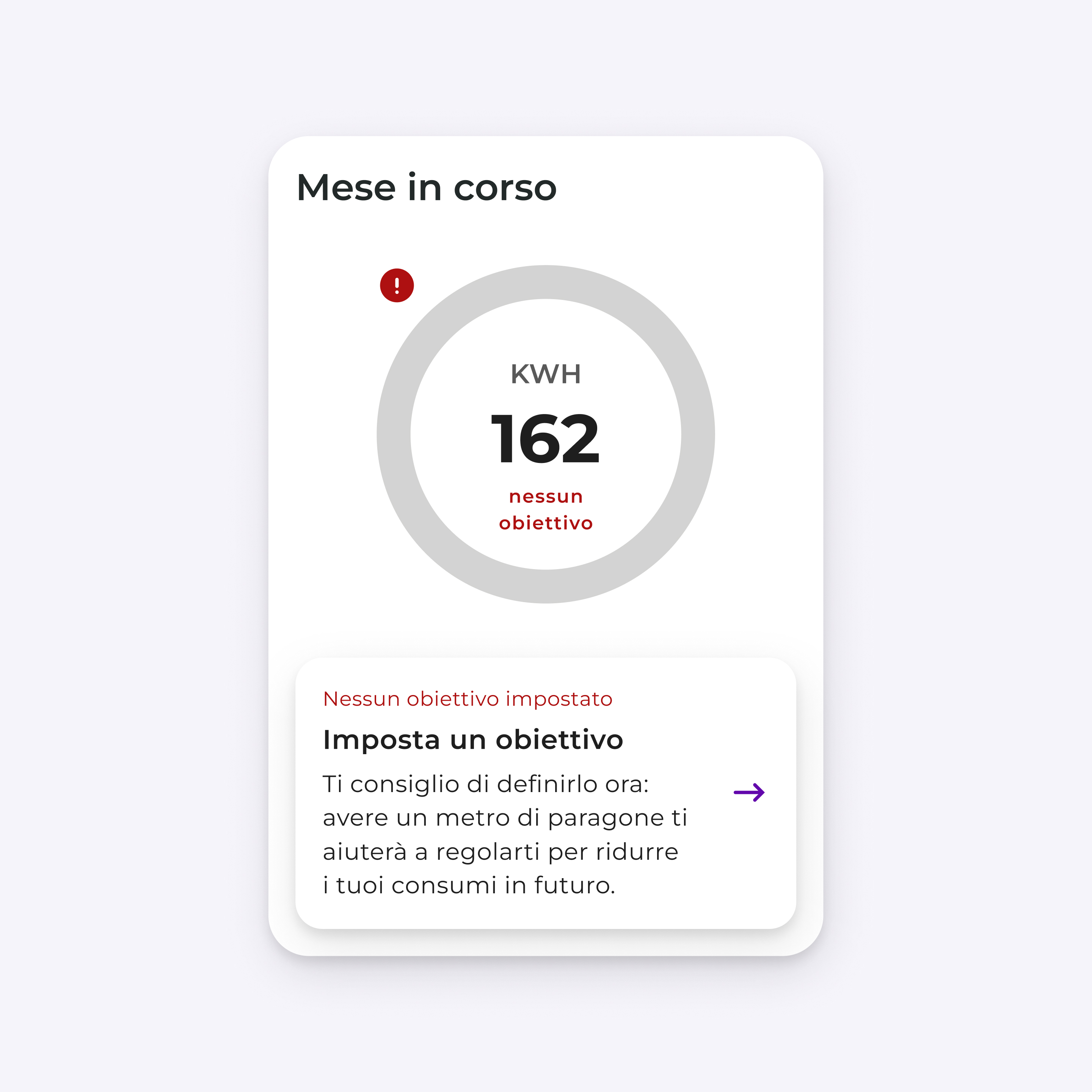
Instead of motivating behavior through points or challenges, the product revolves around a single Energy Target, defined during first use and grounded in real consumption data.
The target acts as a stable reference:
- setting expectations
- framing progress
- replacing abstract rewards with a concrete, understandable goal
This anchors the entire loop.
03. MONITORING & SIGNALS
Maintaining awareness without pressure
Daily monitoring is intentionally lightweight.
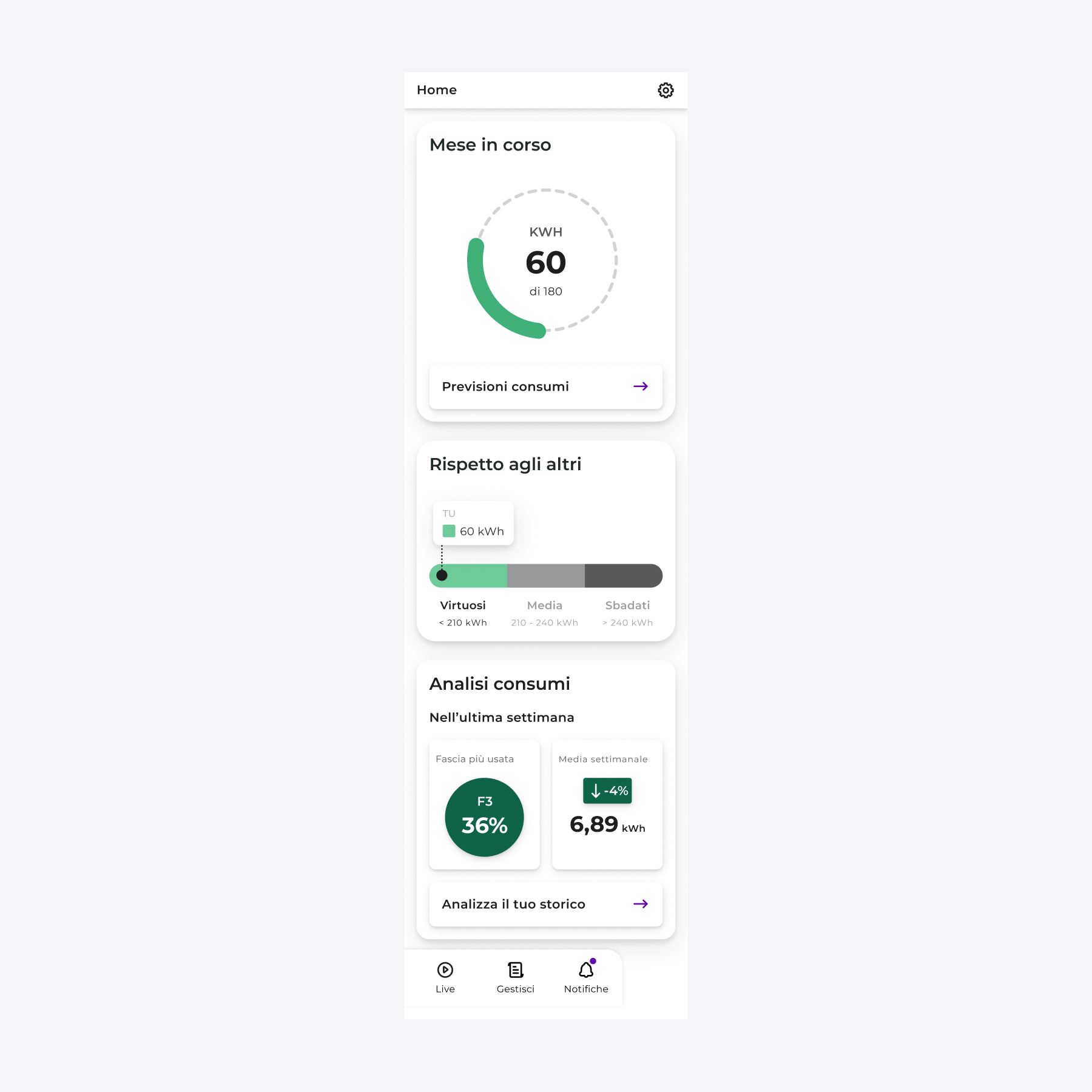
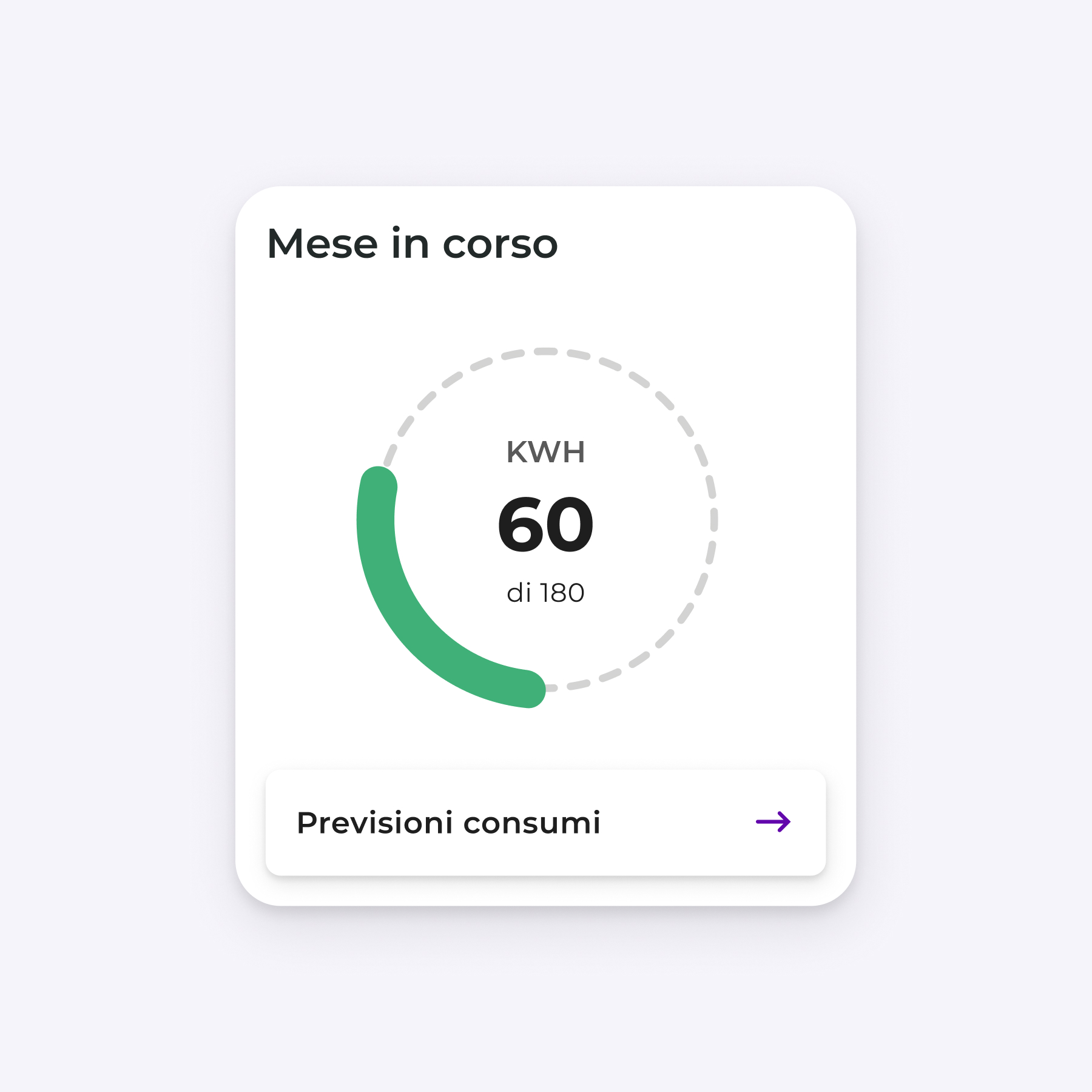
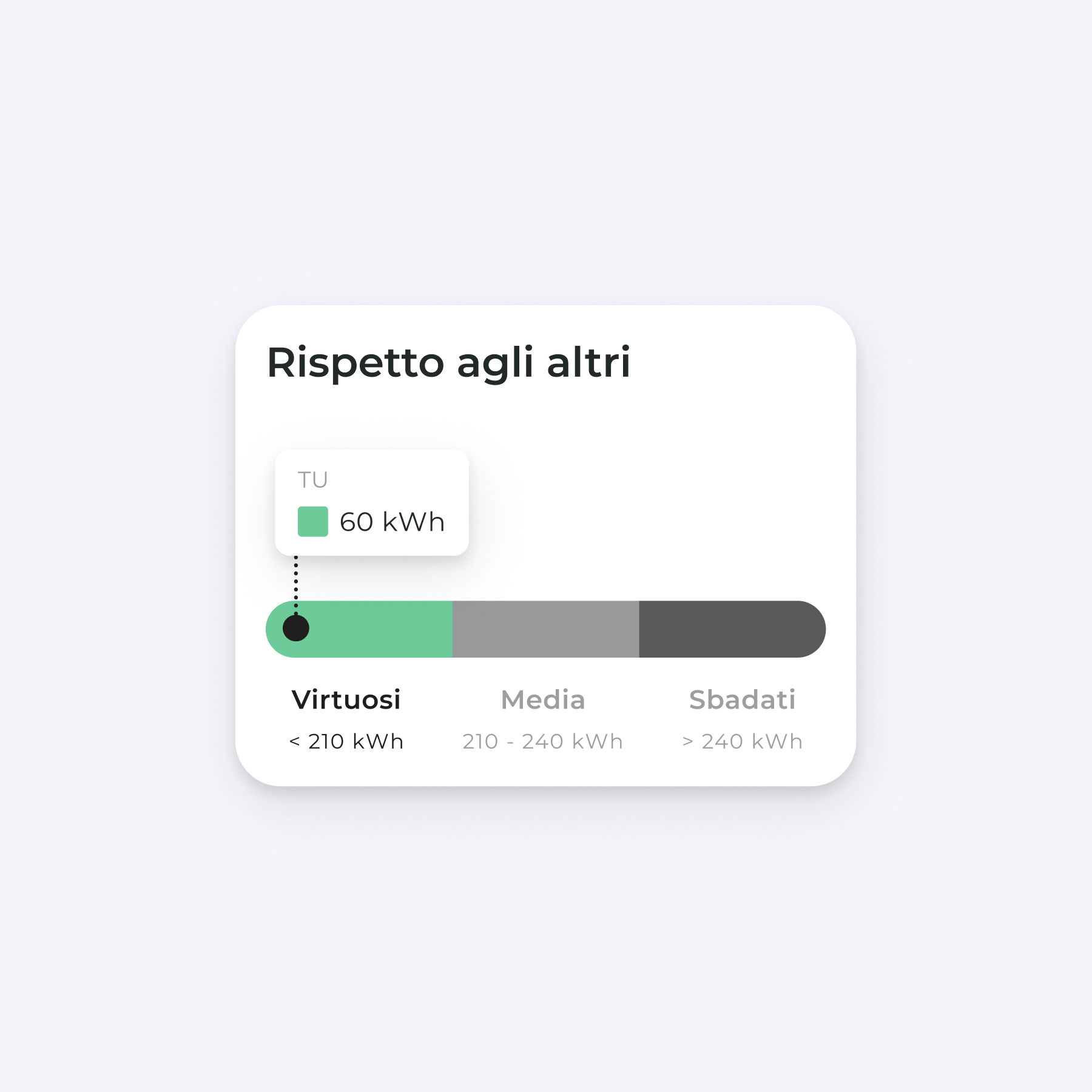
Real-time gauges, 24-hour views, and a simple three-state model allow users to understand their status at a glance.
Proactive alerts introduce signals only when attention is required, using tiered urgency to avoid unnecessary interruptions.
The system informs without demanding action.
04. REFLECTION
Reinforcing confidence over time
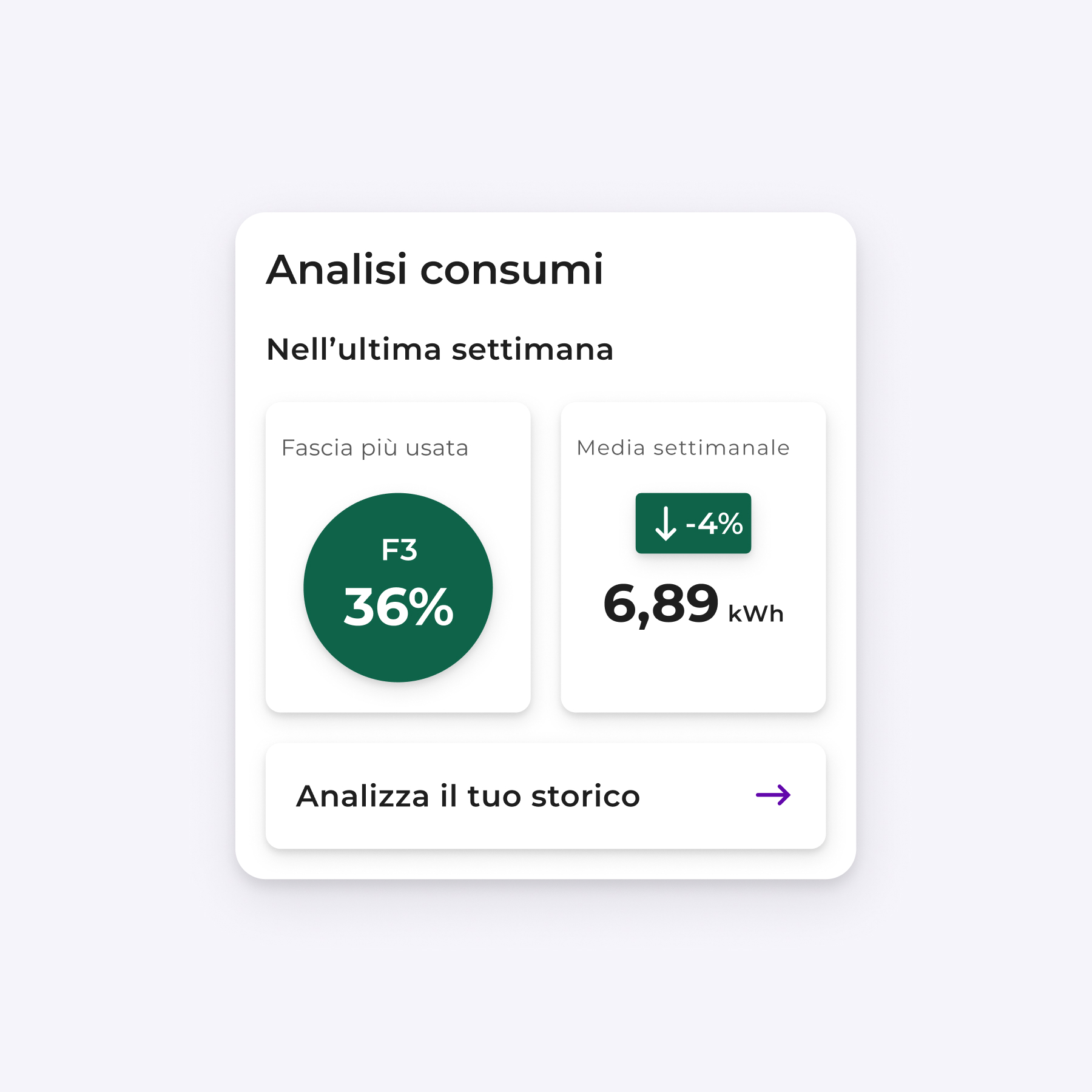
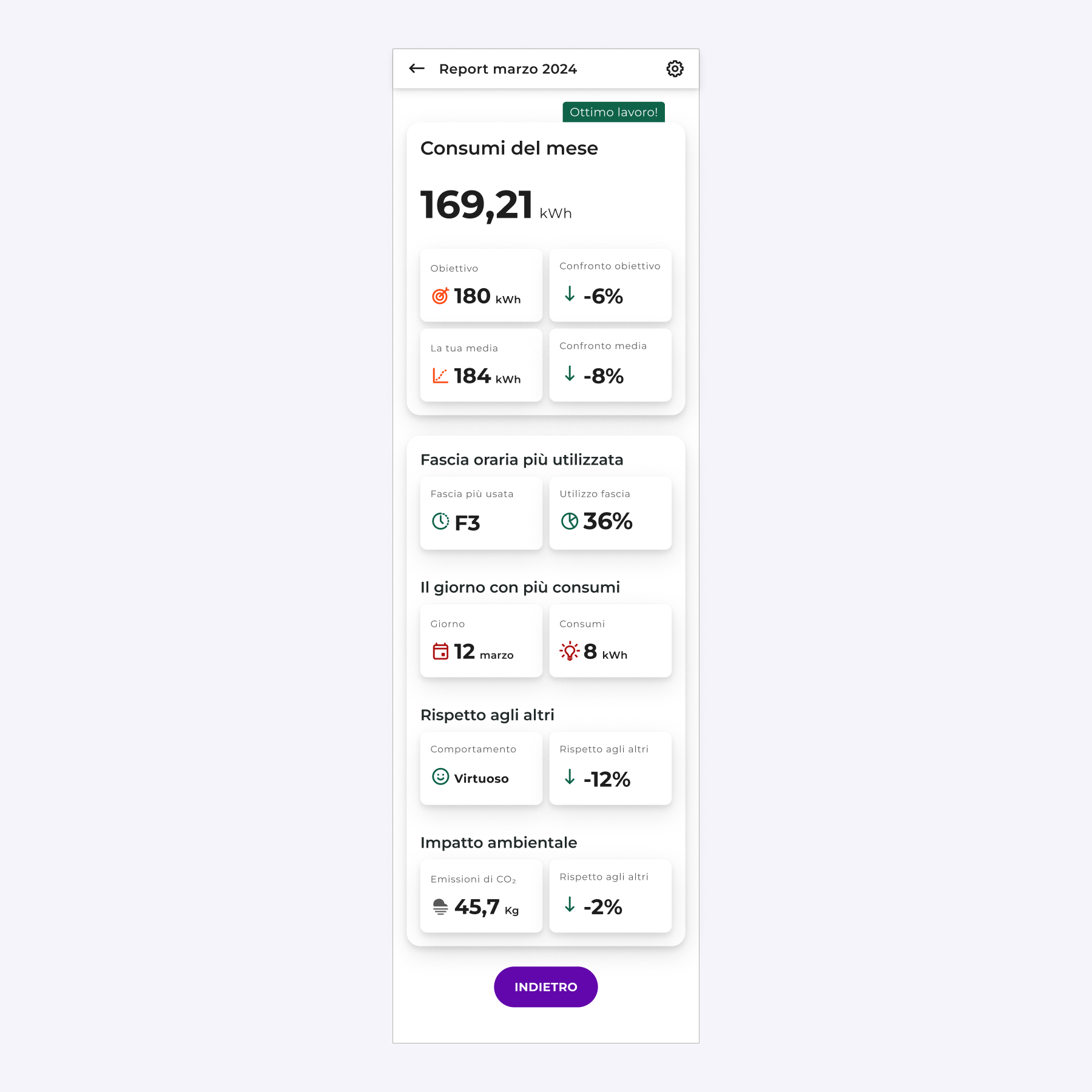
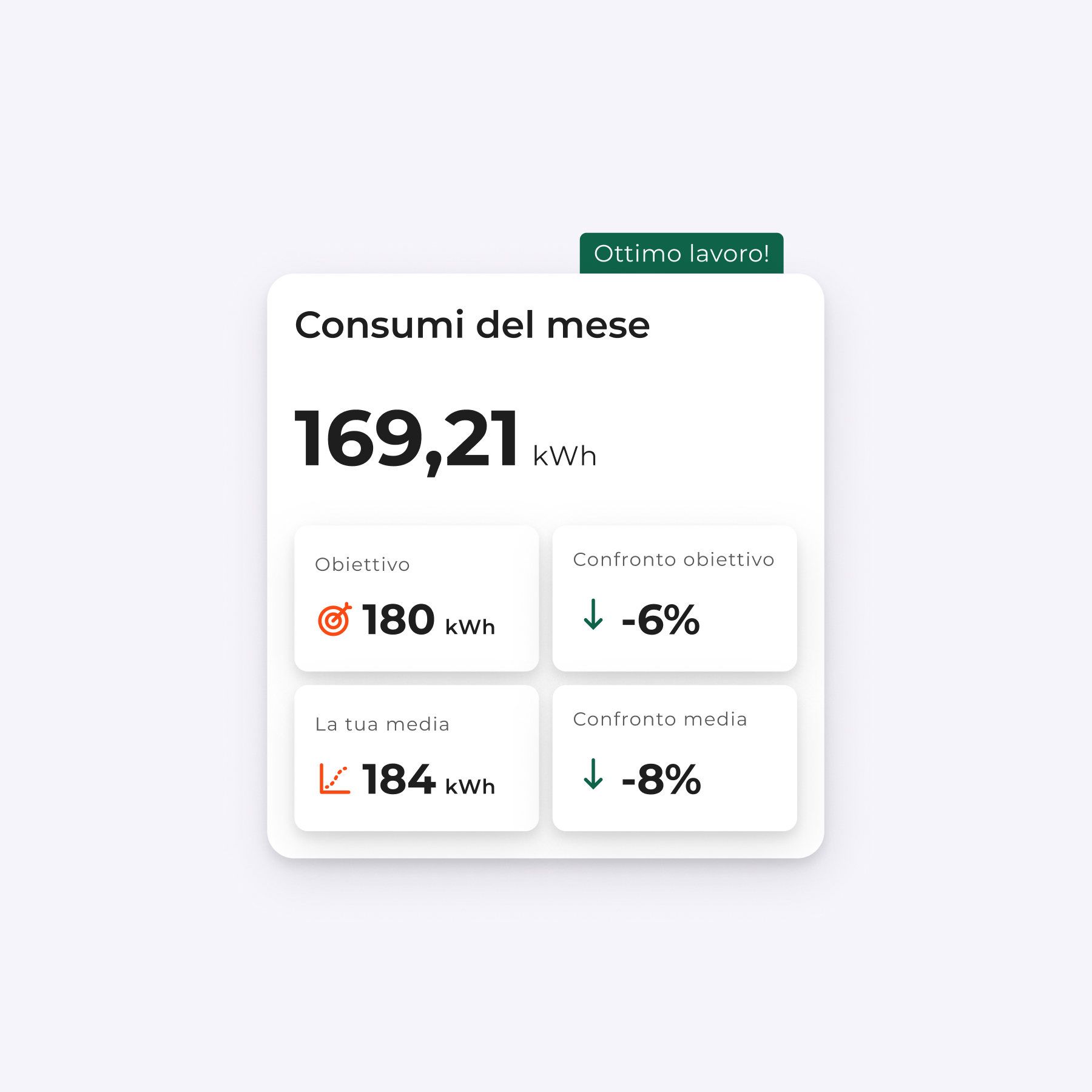
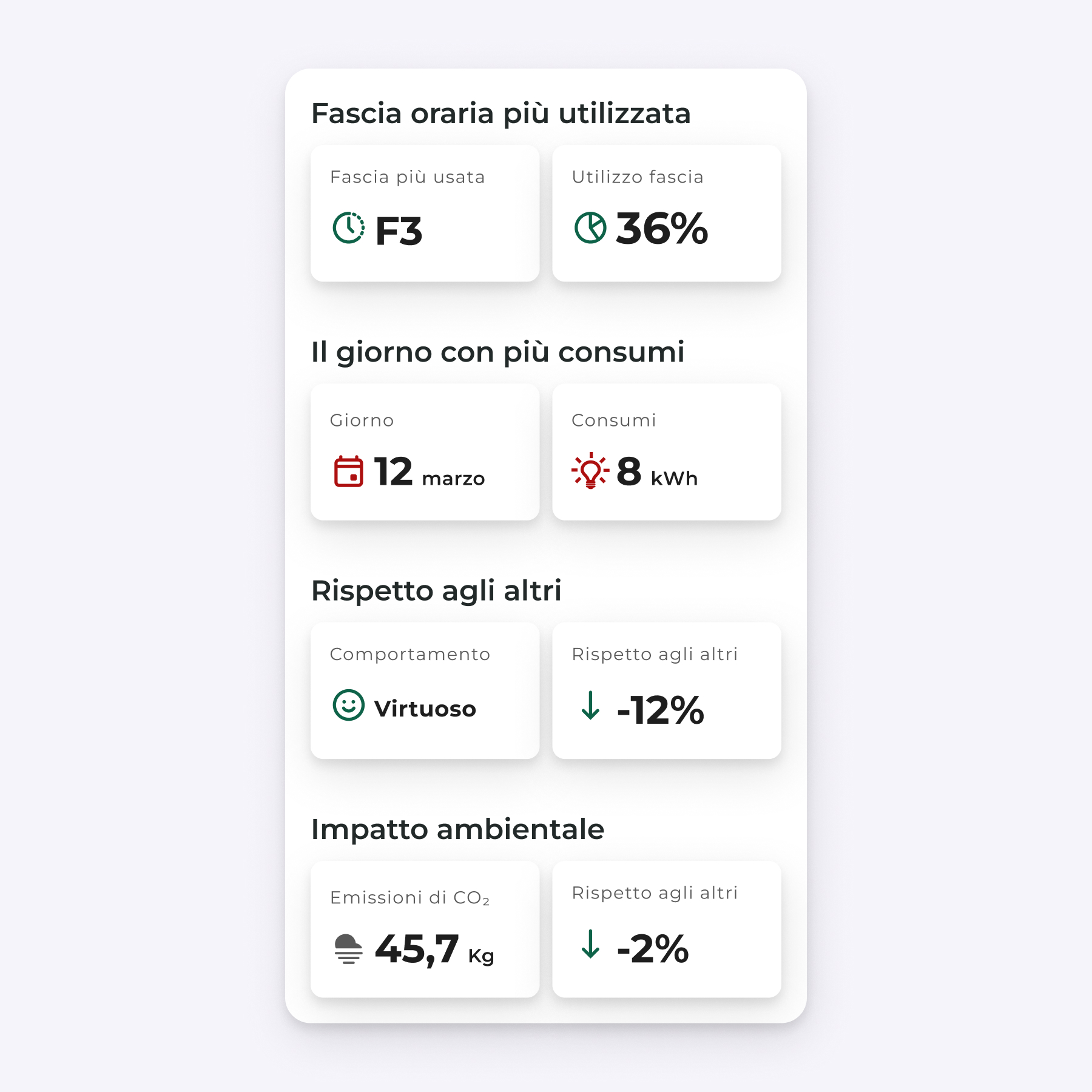
Monthly reports close the loop.
Rather than emphasizing deviations or failures, reflection focuses on trends, context, and overall stability, including environmental impact indicators.
This framing supports learning and adjustment without judgment, enabling users to set a new target with confidence.
INTERACTIVE PROTOTYPE
IMPACT
01. STRATEGIC DIRECTION
The project shifted the product strategy from gamification to a high-utility control loop. This pivoted the focus toward reassurance and control, aligning the digital experience with the actual needs of utility customers.
02. VALIDATED TECHNICAL INTEGRATION
The prototype proved that real-time data from Chain2 smart meters could be successfully integrated into WindTre’s legacy app architecture. This validated the feasibility of the hardware investment without requiring a full platform rewrite.
03. ESTABILISHED AN IOT BLUEPRINT
The control loop model established a reusable standard for future smart services. WindTre adopted this framework as the foundation for expanding into other IoT verticals beyond simple connectivity.
Selected Works